Yes — and on several fronts, a well-run liquor store already wins. A convenience store carries a little of everything. A liquor store goes deep on the one category that drives the most margin per square foot. The question isn't whether you can compete; it's whether your operation is tight enough to make the most of the advantages you already have.
Where Convenience Stores Have the Edge
Be honest about what you're up against before you decide how to respond.
- Foot traffic and impulse buying. A c-store attached to a gas station gets dozens of stops a day from people who weren't planning to shop. You have to give people a reason to make a dedicated trip.
- Extended or 24-hour hours. Many convenience stores are open around the clock. Your hours may be capped by your state liquor license. Confirm your permitted hours with your state liquor authority.
- Snacks, drinks, and everyday items. They bundle alcohol with things people need right now. You typically can't carry the same mix.
None of these are fatal. They just tell you where to focus your energy.
Where You Have the Edge — and How to Press It
Selection depth
A convenience store stocks the 20 SKUs that move fastest. You can carry 2,000. That depth is your sharpest competitive tool. Customers who want a specific bourbon, a local craft beer, or a hard-to-find mezcal will drive past three c-stores to get to you — if they know you have it.
The practical move: track which specialty items you sell regularly and make sure they're always in stock. Stockouts on your best items send customers somewhere else and they don't always come back. Solid inventory management at the bottle and case level is how you stay on top of this without counting shelves by hand every week.
Margin per bottle
Convenience stores price for convenience — meaning they charge more on the staples but carry fewer premium options where the real margin lives. You can compete aggressively on everyday pricing while making more on the premium and specialty bottles that c-stores don't even stock.
Example: If you move 30 bottles a month of a premium whiskey at a $12 margin per bottle, that's $360 a month from one SKU a c-store probably doesn't carry at all.
Card processing costs
This one is easy to overlook. Convenience stores often run thin margins and absorb card fees as a cost of doing business. You don't have to. A cash discount program lets you offset card fees at the register — where state rules allow it. Confirm with your state liquor authority whether this is permitted in your state before implementing it.
Example: A store running $50,000 a month in card sales at a 3% processing rate pays $1,500 a month in fees. Recovering even half of that is $9,000 a year back in your pocket. See how the built-in cash discount program works.
Customer relationships
A c-store clerk doesn't know your name. You can. Loyalty programs, purchase history, and personalized recommendations are things a small independent can do better than a chain convenience store ever will. When a customer asks what pairs well with a steak or what's a good gift bottle under $50, you can answer. That's a real advantage.
Operational Gaps That Erase Your Advantages
The convenience store down the street doesn't beat you on selection or expertise. You beat yourself when your operation has holes. The most common ones:
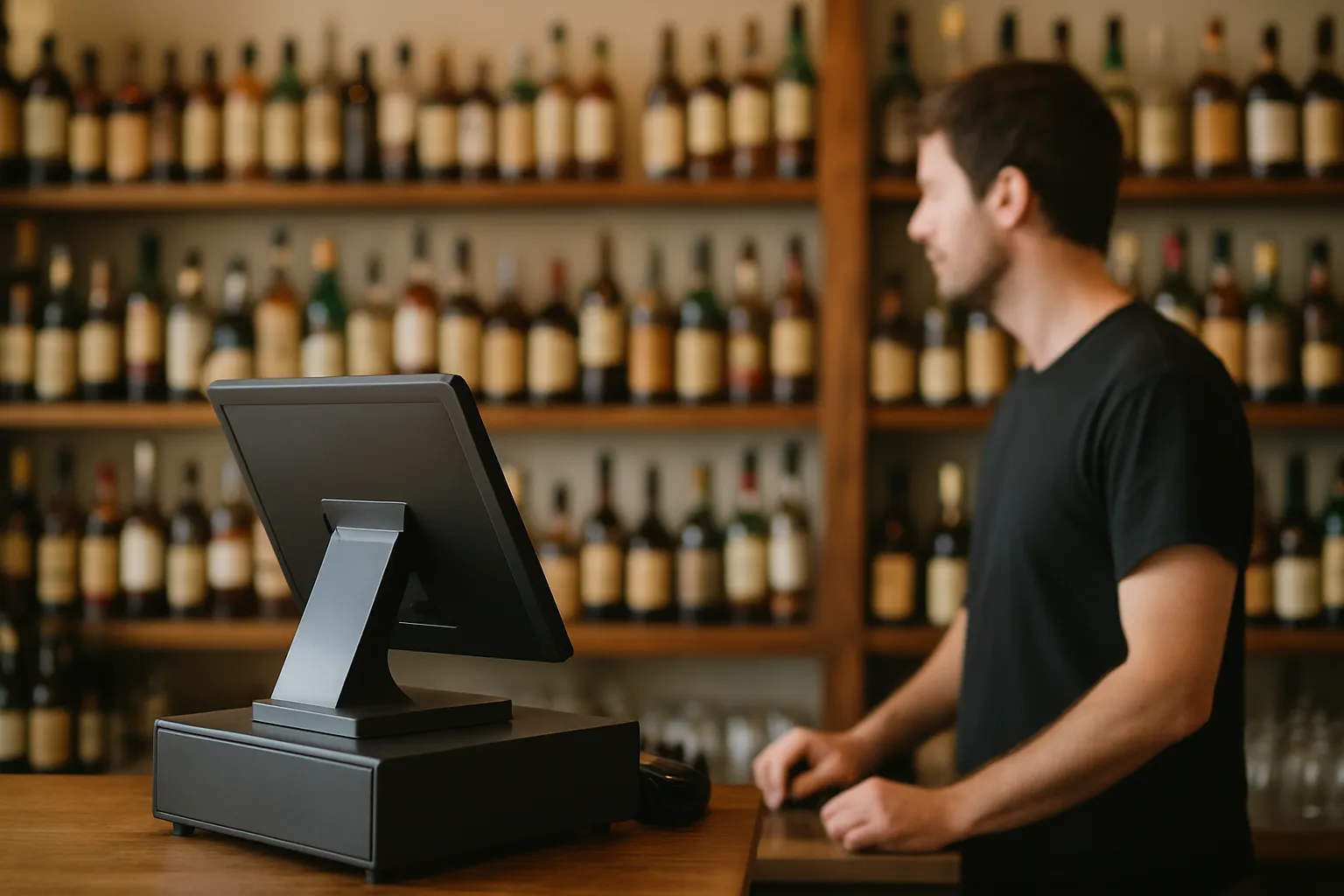
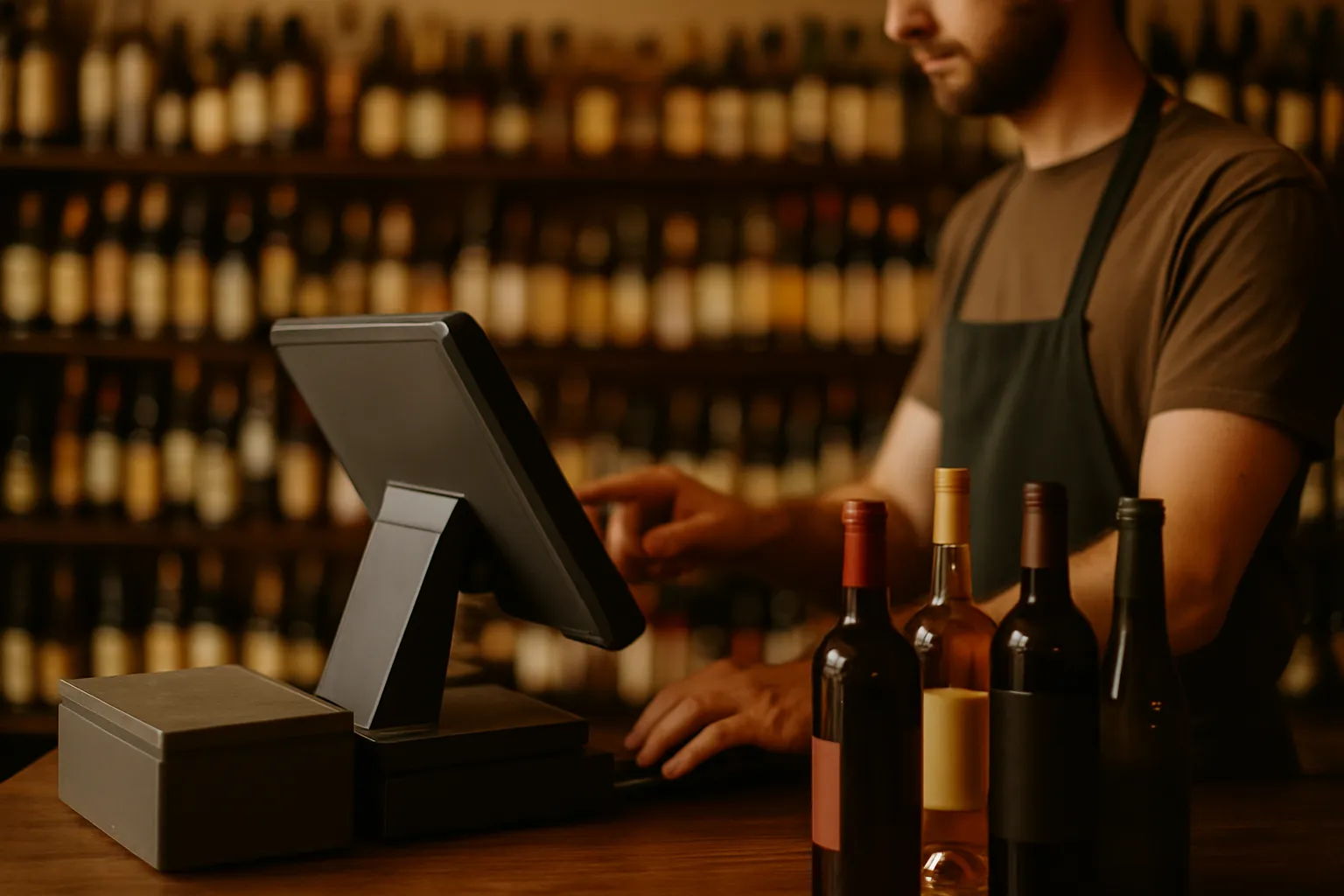
- Slow checkout. If your line backs up on a Friday evening, customers remember it. A modern register with a barcode scanner and card reader that doesn't fumble cuts checkout time significantly.
- Inventory blind spots. Running out of a fast-moving item on a weekend is a sale lost and sometimes a customer lost. Real-time inventory tracking by bottle and case prevents this.
- Inconsistent pricing. If your shelf price and register price don't match, you lose trust. Shelf-label printing tied directly to your POS keeps them aligned.
- No loyalty data. If you don't know who your top 50 customers are, you can't market to them. That's money left on the table every month.
- Age verification gaps. A missed ID is a license violation. ID scanning built into the register removes the guesswork and creates a record. Confirm your state's ID check requirements with your state liquor authority.
A Simple Competitive Checklist
- Is your specialty and premium selection clearly better than any c-store nearby? If not, which categories can you expand?
- Do you know your top 20 SKUs by margin, not just by volume?
- Are you tracking stockouts so you can see which items are costing you sales?
- Do you have a loyalty program capturing repeat customer data?
- Are you offsetting card fees, or absorbing them silently?
- Can a new employee ring a sale, check an ID, and handle a return without you standing over them?
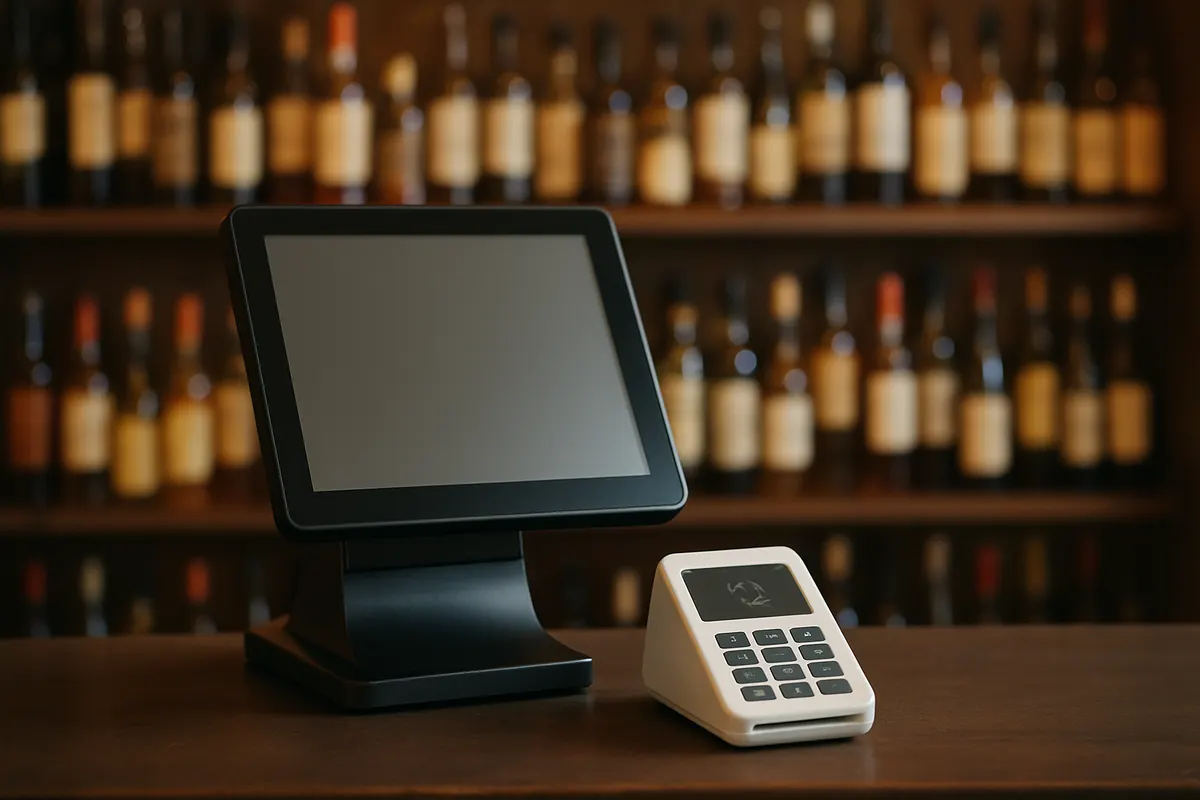
If you have gaps in more than two or three of these, the c-store down the street isn't your real problem — your internal systems are. A purpose-built liquor store POS handles most of this list out of the box. See what's included with a complete station setup.
The Bottom Line
A convenience store competes on ease. You compete on depth, expertise, and relationships. Those are durable advantages — but only if your operation is running cleanly underneath them. Fix the operational gaps first, then double down on what you do better than any c-store ever will.
See which option fits your store and find out what a complete liquor store POS setup costs.