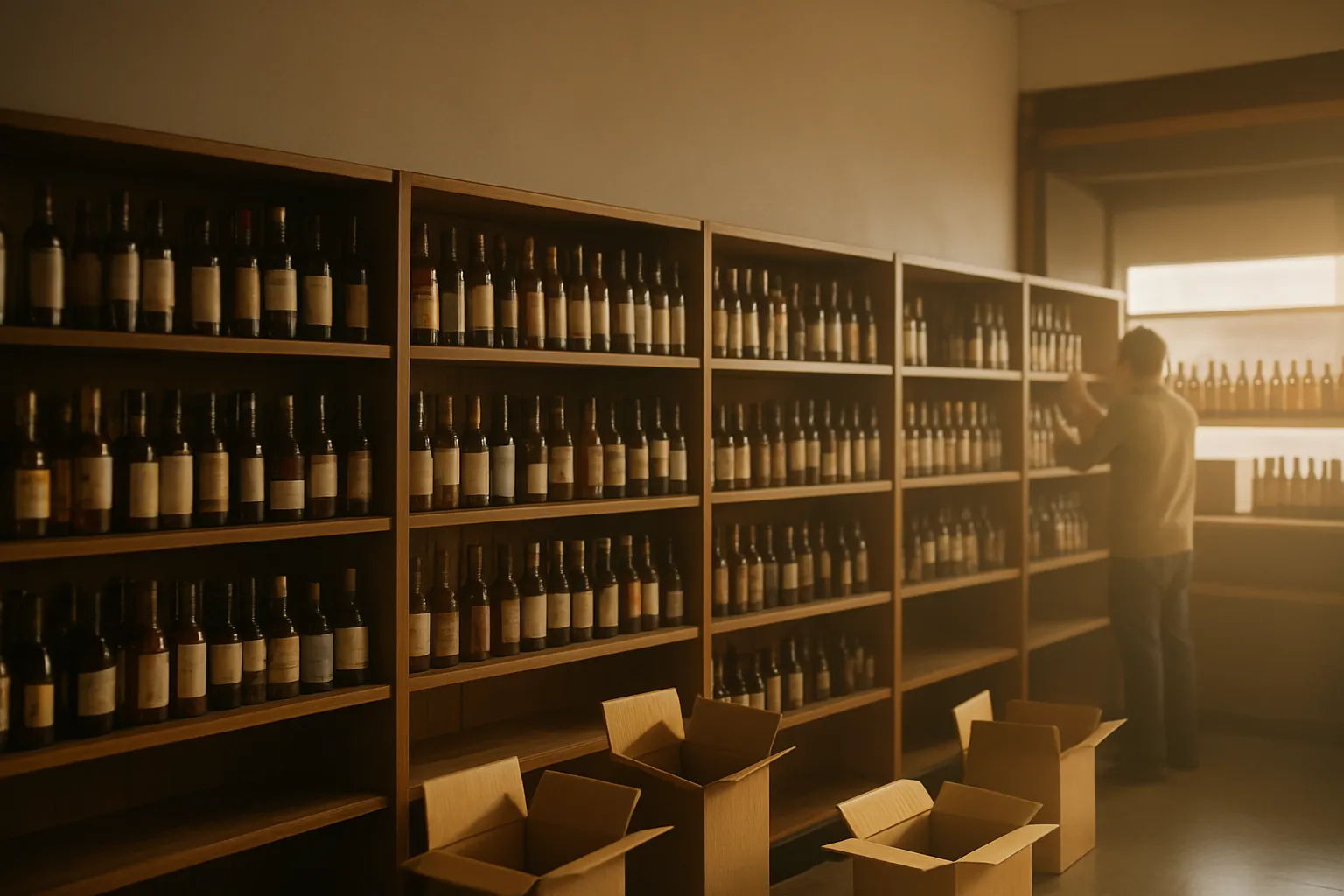
If you're searching for an Ohio liquor license for sale, here's the short answer: Ohio does not allow private party-to-party sales of liquor licenses the way some states do. What you're actually buying when you see a license listed is the business or the location permit quota slot — not a transferable certificate you can move wherever you want. Understanding that distinction before you write a check can save you tens of thousands of dollars.
How Ohio Liquor Licenses Actually Work
Ohio liquor permits are issued by the Ohio Division of Liquor Control (ODLC). Most permit classes are tied to a specific premises and a specific permit holder. When a seller advertises an "Ohio liquor license for sale," they typically mean one of two things:
- They are selling the entire business (asset sale or stock sale) and the permit transfers as part of that transaction — subject to ODLC approval.
- The location sits in a quota-controlled area, and the existing permit is the only practical way to operate alcohol sales there, making it a negotiating point in the business sale price.
In either case, you do not simply hand money to a stranger and walk away with a permit. The ODLC must approve the transfer. Confirm the exact process and timeline with the ODLC or a licensed Ohio attorney before signing anything.
Quota Permits: Why They Drive Up the Price
Ohio limits the number of certain permit classes — particularly D-class permits (carry-out beer, wine, and spirits) — based on population in each jurisdiction. When a township or city is at its quota ceiling, no new permits are issued. That scarcity is what gives an existing permit real dollar value in the market.
The premium you pay above the state's base permit fee is essentially a market price for access to that quota slot. There is no official state exchange or published price list. Prices are negotiated privately as part of the business sale. Verify current quota availability for any specific jurisdiction directly with the ODLC before relying on what a seller tells you.
Common Ohio Permit Classes You'll See Listed
| Permit Class | What It Covers | Quota-Controlled? |
|---|---|---|
| D-1 | Beer carry-out | Yes |
| D-2 | Wine carry-out | Yes |
| D-3 | Spirituous liquor carry-out | Yes |
| D-3A | Spirituous liquor carry-out (extended hours) | Yes |
| D-8 | Delivery of beer, wine, and spirituous liquor | Confirm with ODLC |
A full liquor store typically holds a D-1, D-2, and D-3 (and sometimes D-3A) together. Confirm current classifications and requirements with the ODLC, as permit structures can change.
The Transfer Process: Step by Step
This is a general outline. Steps, fees, and timelines change. Confirm every detail with the ODLC and your attorney before proceeding.
- Letter of Intent / Purchase Agreement. Buyer and seller agree on price and terms for the business. The permit transfer is contingent on ODLC approval — build that into the contract.
- ODLC Application. The buyer submits a permit transfer application. Both buyer and seller typically must provide documentation.
- Background Check and Financial Review. ODLC investigates the buyer. Prior violations, unpaid taxes, or criminal history can disqualify an applicant.
- Local Government Notice. The local jurisdiction (city, township, or county) is notified and may hold a hearing. Residents can object.
- ODLC Approval. If approved, the permit is reissued in the buyer's name for the same premises. The seller's permit is cancelled.
- Annual Renewal. Ohio permits renew annually. Budget for renewal fees from day one.
Typical ODLC processing times have historically run several weeks to a few months, but that can vary. Do not plan your opening date around a best-case timeline.
What to Verify Before You Close
Buying a permit as part of a business purchase means you're also inheriting the location's history. Run through this checklist before you finalize anything:
- Request a copy of the current permit and confirm it is active and in good standing with the ODLC.
- Check the ODLC's public records for any violations, citations, or suspensions tied to the permit or premises.
- Confirm the permit class covers every product category you plan to sell (beer, wine, spirits, carry-out vs. on-premise).
- Verify the premises address matches where you intend to operate — a permit cannot simply be moved to a different address without a new application.
- Review local zoning. A valid state permit does not override local zoning restrictions on alcohol retail.
- Check for outstanding sales tax or municipal tax liabilities tied to the business — those can follow the assets.
- Confirm the seller has no pending ODLC enforcement actions that could affect the transfer.
What a Permit Transfer Actually Costs
There are two separate cost buckets: the state fees and the market premium you pay the seller.
State fees are set by the ODLC and are relatively modest — typically a few hundred dollars per permit class for the transfer application. Confirm current fee schedules at the ODLC website.
Market premium is where the real money is. In quota-saturated markets, buyers have paid five figures or more for the right to operate at a specific location. That number is entirely negotiated and has no official ceiling.
Example (worked math you can check): If a D-1/D-2/D-3 package carries a $40,000 market premium, and you finance that at 7% over five years, your monthly cost for the permit premium alone is roughly $792 a month. That's before rent, inventory, payroll, or operating costs. Factor it into your break-even analysis before you commit.
Already Have the Permit? Get the Store Running Right
Once the transfer is approved, your next problem is operations. A permit gives you the legal right to sell — it doesn't tell you what's in your cooler, whether your staff is checking IDs correctly, or how much you're losing to card processing fees.
If you're taking over an existing store, one of the first things to audit is the POS system. A register that doesn't track inventory by bottle and case, doesn't scan IDs at the point of sale, or doesn't give you clean sales reports is costing you money every day. See how LiquorStoreOS handles those basics at /whats-included/.
Card fees are another immediate drain. A store doing $50,000 a month in card sales at a 3% effective rate pays $1,500 a month — $18,000 a year — in processing costs. LiquorStoreOS has a built-in cash discount program that can offset those fees at the register where state rules allow it. That's worth understanding before you set your pricing structure on day one.
For a broader look at what it takes to run an Ohio store profitably after you've got the permit in hand, see How to Open a Liquor Store in Ohio.
Bottom Line
An Ohio liquor license for sale is really a business transaction with a permit transfer attached. The ODLC controls approval, quota limits control availability, and the market sets the price. Do your due diligence on the permit's history, run the numbers on the premium, and don't close until ODLC approval is in writing.
When you're ready to set up the store itself, see which LiquorStoreOS option fits your store — the system ships pre-loaded with your inventory so you can open without a tech headache on top of everything else.