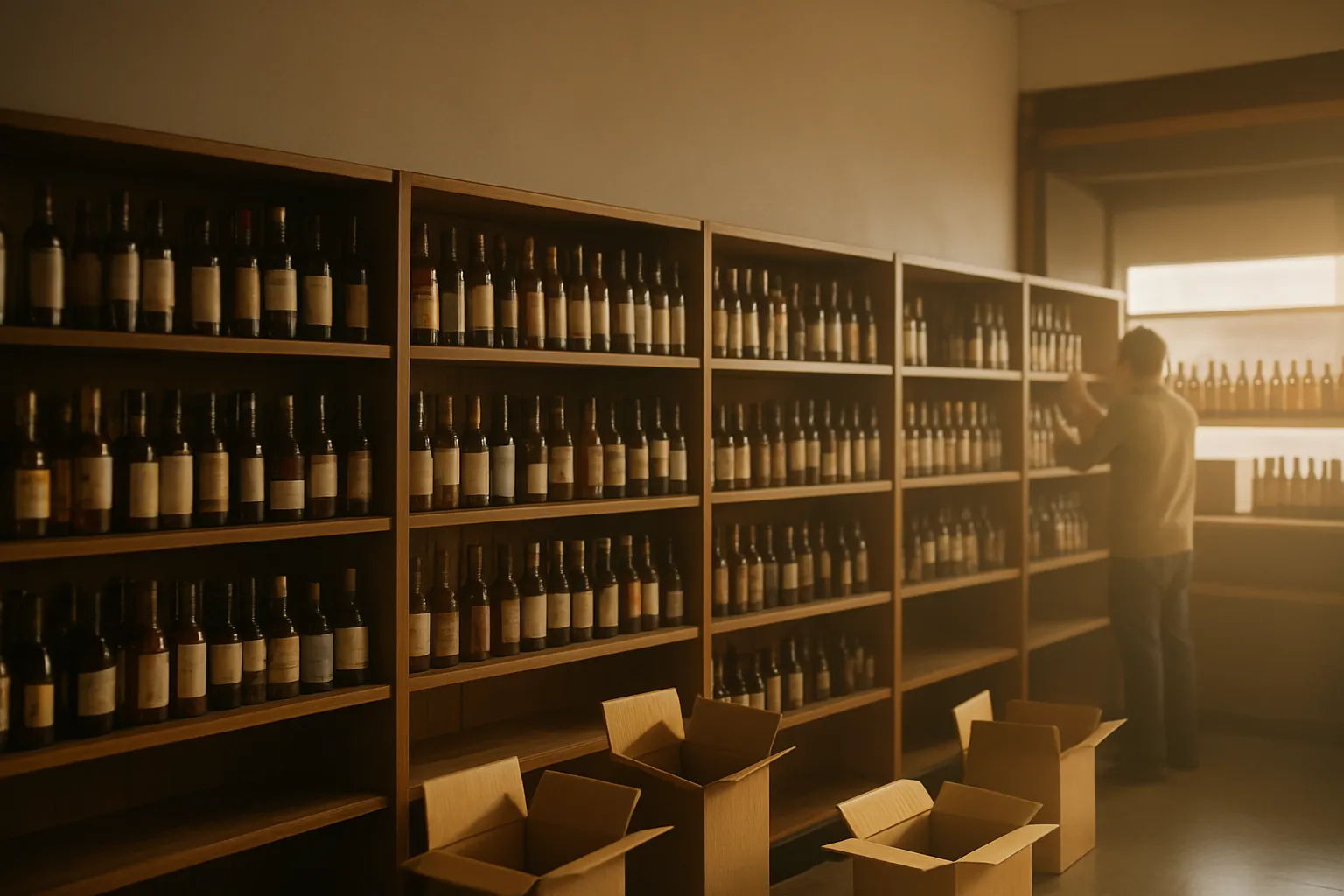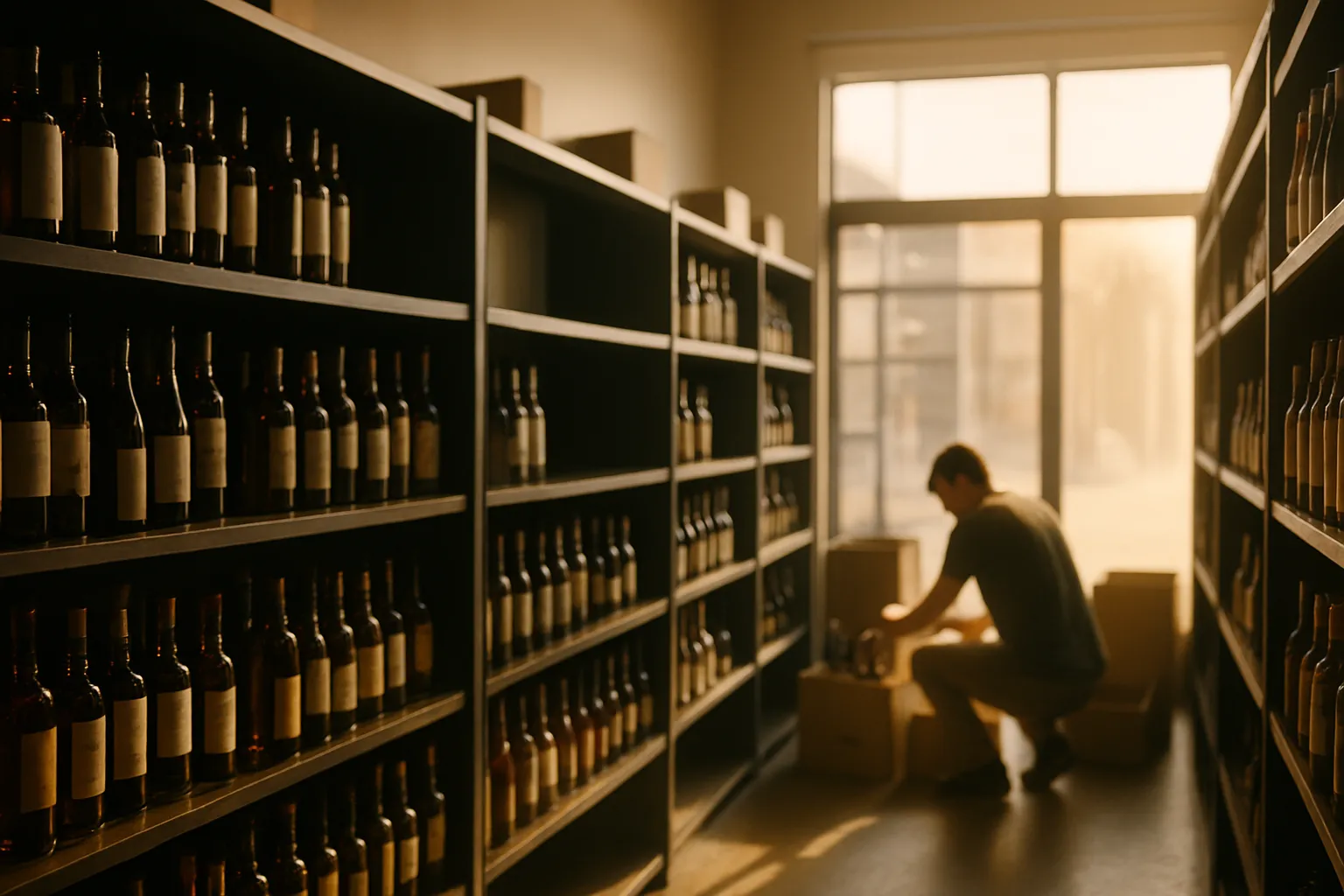
Southern Wine & Spirits of America is one of the largest wine and spirits distributors in the country. If you run an independent liquor store, there is a good chance they are already one of your reps — or will be. Knowing how to work with a distributor this size, manage the orders they bring in, and keep your margins intact is worth your time. Here is how to do it.
What Is Southern Wine and Spirits?
Southern Wine & Spirits (now operating as Southern Glazer's Wine & Spirits after merging with Glazer's in 2016) is a multi-state wholesale distributor carrying wine, spirits, beer, and non-alcoholic beverages. They represent hundreds of supplier brands and operate in most U.S. states.
For an independent store owner, that means one rep can bring you access to a very wide portfolio — everything from allocated bourbons to everyday table wines to premium tequilas. That breadth is useful, but it also creates pressure. Reps are measured on placements and volume, so they will push you toward new SKUs and case stacks you may or may not need.
Distribution rules are set at the state level. Your state liquor authority controls which distributors can operate, what they can sell, and how you must buy from them. Always confirm the rules that apply to your store with your state liquor authority before making purchasing commitments.
How Independent Stores Actually Work With a Distributor This Size
A large distributor is not your partner in the way a small local rep can be. They carry too many accounts to give you personal attention by default. You have to create that relationship yourself.
- Know your numbers before every sales call. If you know what moved last month and what is sitting, you can say yes or no with confidence instead of guessing at the counter.
- Ask for your account data in writing. Reps can pull purchase history. Get it. Compare it against your own receiving records.
- Use programming to your advantage. Distributors run periodic price promotions and off-invoice deals. If you are not tracking those, you are probably leaving margin on the table.
- Do not over-buy allocated product. Allocated bottles (limited bourbons, small-batch releases) are tempting, but cash tied up in slow-moving inventory costs you. Buy what you can turn in 60 to 90 days.
The Receiving Problem No One Talks About
Large distributors deliver frequently and in volume. Receiving errors — wrong bottles, short cases, damaged product — happen. If you are not checking every delivery against a purchase order, you are absorbing those errors in your cost of goods.
A POS system with built-in purchasing and receiving lets you generate a PO before the truck arrives and check items in against it on delivery. Discrepancies show up immediately instead of surfacing three weeks later when you are doing a count and a case is missing.
LiquorStoreOS includes purchasing and receiving built into the system, so your inventory updates the moment you check a delivery in. That is not a luxury — it is how you protect margin on every order. See the full feature list at /features/.
Managing Margin When a Distributor Pushes Volume
A distributor's job is to move product. Your job is to make money on what you sell. Those goals are not always the same.
Here is a simple example to check your own math:
| Scenario | Case Cost | Retail per Bottle | Bottles per Case | Gross Margin |
|---|---|---|---|---|
| Rep's suggested retail | $120 | $14.99 | 12 | $59.88 (33%) |
| Your target retail | $120 | $16.99 | 12 | $83.88 (41%) |
The rep wants placement at the lower price to win a shelf position. You want margin. Run the math on every new item before you agree to a price point. Eight dollars a case does not sound like much until you multiply it by 20 cases a month — that is $160 a month in margin you gave away on one SKU.
For a deeper look at pricing strategy, How to Price Liquor for Profit covers the full playbook.
Card Fees Eat the Margin You Just Protected
You worked to hold margin on the buy side. Then a customer pays by card and the network takes a percentage off the top. A store doing $80,000 a month with 70% of sales on cards at a 3% effective rate pays $1,680 a month — $20,160 a year — in processing fees. That is real money.
A cash discount program lets you post a card price and a lower cash price, so customers who pay cash save and your card transactions offset the fee. LiquorStoreOS has a cash discount program built into the register. Where state rules allow it, you can run it on day one. Confirm whether your state permits cash discounting with your state liquor authority, then check /cash-discount/ for how it works inside the system.
What Your POS Should Do With Distributor Orders
If you are still managing distributor orders on paper or in a spreadsheet, here is what you are missing:
- Reorder points by SKU. The system flags items before you run out, so you are not placing emergency orders at full price.
- Receiving reconciliation. Every item checked in updates on-hand counts automatically.
- Cost tracking. When a distributor changes a price, you update it in the system and your margin reports reflect it immediately.
- Sales velocity by item. Before a rep visit, pull a 30-day velocity report. You will know exactly what to reorder and what to push back on.
LiquorStoreOS arrives with your inventory already loaded, so you are not starting from zero. The system handles all of the above out of the box. See what is included at /whats-included/.
The Short Version
Southern Wine & Spirits (Southern Glazer's) is a major distributor in most markets. Working with them well means knowing your numbers, protecting your margin on every new placement, and reconciling every delivery against a purchase order. Your POS system is the tool that makes all of that manageable without adding hours to your week.
If your current setup does not handle purchasing, receiving, and margin tracking in one place, that is worth fixing. See which option fits your store and what it costs per station.